




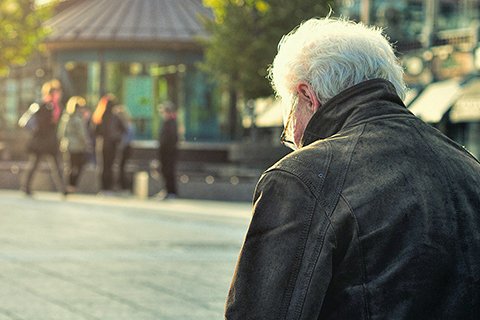
Although we live in a “connected” world, loneliness is still a real problem with real consequences. In fact, according to former U.S. Surgeon General Vivek H. Murthy’s 2023 advisory, social isolation can reduce lifespan, by an amount similar to smoking 15 cigarettes a day or drinking six alcoholic drinks each day!
Highlight of advisory in regard to older adults
The dangers of loneliness affect all ages; however, some of the risk factors are heightened for older adults. The advisory warns that “Chronic loneliness and social isolation can increase the risk of developing dementia by approximately 50% in older adults.” A referenced study followed older adults over 12 years and found that cognitive abilities declined 20% faster among those that reported loneliness.
What Pennsylvania and New Jersey are currently doing at the state level
The New Jersey department of Human Services also did a study on loneliness, with many similar conclusions. In terms of population, 44.3% of those aged 65 and over reported loneliness. Given that 1,442,938 people are in that demographic, it extrapolates to a total of about 639,222 older adults in New Jersey.
One would expect that those who are socially isolated might also get physically sick less often because of their limited exposure to others who might be ill, but the study suggested the converse is true instead. 58.3% of the non-lonely people responded it is “definitely false” that they get sick a little easier than other people, and only 27% of the lonely people responded it is definitely false. This, along with a trend of responses to other questions, largely indicates that lonely people report poorer health both physically and mentally.
Page 42 of the study has a list of services and programs in NJ to reduce social isolation, with suggestions of further programs on page 43. Although most are for all age groups, there are some specific ideas listed for older adults and aging too.
Pennsylvania lawmakers, in an attempt to both make housing more affordable and combat loneliness in older adults, have introduced “The Golden Girls Law”. This legislation would waive some of the limits on unrelated roommates, so that more older adults could live together as on the TV show, “The Golden Girls”. This solution of having people living nearby may make a lot of sense for older adults, as senior centers and adult day care centers aren’t always accessible.
Being socially isolated isn’t just feeling lonely, here’s what to check
One easy tool to use to see if you might fall into the category of being socially isolated as an older adult is to take the free assessment from the AARP, connect2affect.org
The site has a lot of simple advice that we might already realize and know, but reading through it can still spark ideas and put us into the mindset of being more socially active instead of passive, and it also potentially provides a way to organize or join meetups. This page on the website has a spot to put in your zip code and see if anyone has organized anything around you, as well as a list of over 20 potential activity/hobbies that might be good ways to connect.
Wealth Management for Solo Agers
Those experiencing loneliness as older adults are also more likely to be solo agers, a new category of individual without a support system of relatives. The traditional model of children helping their parents navigate the obstacles of old age can’t work for everyone, because a large fraction of baby boomers—estimates range from 20% to 35%—won’t have spouses, siblings, or children to rely upon.
Garden State Trust Company published a slideshow regarding seven critical questions for solo seniors. The most vexing problems are associated with incapacity. Should you become incapacitated, temporarily by illness or permanently through aging:
- Who will pay the bills?
- Who will track the investments?
- Who will make decisions about real estate?
- Who will make certain that the taxes are paid?
- Who will balance the checkbook?
The first solution that comes to mind for these questions is the financial durable power of attorney. This document allows another person to step into your shoes, financially speaking, and make binding decisions on your behalf. A durable power of attorney may be as broad or as limited in scope as needed to make you comfortable. You’ll need to see your lawyer to have the power of attorney drafted and executed.
Another axis of anxiety concerns health care. In this area, you may need:
- a health care power of attorney, with medical instructions to be followed if you are incapacitated;
- a Health Information Portability and Accountability Act (HIPAA) authorization, so that your agent has full rights to your medical records;
- a living will that outlines your expectations for medical care near the end of your life.
A more encompassing solution for incapacity is to contact us for trust services. Garden State Trust company is ready to step in to help manage finances for solo agers, with a living trust or a standby trust. It puts all the ducks in a row ahead of time, so if there is incapacity someone who is ready and familiar with the financial situation can step in to manage it.
This content has been prepared by The Merrill Anderson Company and is intended as a general guideline.
© 2026 M.A. Co. All rights reserved.
