




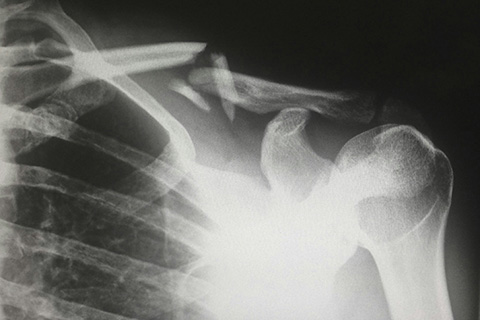
Accidental falls are on the rise, which may not be surprising given the concurrent rise in the elderly population, but just how much falls have become more frequent is likely to raise a few eyebrows. According to USAFacts.org, deaths from accidental falls have tripled since the year 2000. They even have outpaced deaths from car accidents!
There are many factors identified as potential contributing causes. An aging population is one of the most obvious choices. However, the article also points out less suspected causes, such as increased use of medication, alcohol, or obesity. It breaks it down by state, and suggests that states with snowy conditions may be higher on the list for falling deaths.
In any event, it is evident that we need to do as much as we can to avoid falls. The AARP has a section on their website with advice on simple preventative steps one can take to avoid falls in the home here. The advice ranges from simple and quick solutions such as installing nightlights in every room of the house, to more complex installations such as grab bars in the bathrooms and repairing uneven driveways and sidewalks.
One of the number one concerns for retirees is being able to stay in their homes as long as possible so these types of bigger renovations and measures should be taken sooner rather than later. Especially because an aging population will mean more people needing the services and possible waitlists for the best contractors.
Many things have been done already to try to prevent falls from occurring, including the creation of STEADI by the CDC to help doctors and caregivers with resources to assess and address fall prevention in their practice, but falls are still happening. Thus, it is good practice to plan ahead for a backup plan for the prevention failure.
A back-up plan for the back-up plan?
It’s not just deaths that should be cause for concern. According to the CDC, emergency departments recorded over 3 million visits for older adults in a single year! What happens when there is a serious injury from a fall that causes incapacity for the financial management of a retiree’s portfolio and finances? It depends on if there is a plan in place and directives have been given.
Should you become incapacitated from a fall, temporarily by illness, or permanently through aging, questions will come up such as:
- Who will pay the bills?
- Who will track the investments?
- Who will make decisions about real estate?
- Who will make certain that the taxes are paid?
- Who will balance the checkbook?
The first solution that comes to mind for these questions is the financial durable power of attorney. This document allows another person to step into your shoes, financially speaking, and make binding decisions on your behalf. A durable power of attorney may be as broad or as limited in scope as needed to make you comfortable.
You’ll need to see your lawyer to have the power of attorney drafted and executed.
The living trust
A trust arrangement offers comprehensive protection that can last as long as it is needed.
You create the trust now. The trust agreement is revocable, meaning that you can make changes to it at any time, even canceling the agreement if you see fit. Initially, the agreement may call for you to be consulted before investment decisions are implemented with regard to the assets placed in the trust.
Our responsibility as trustee includes everyday investment chores—we buy and sell as you instruct us, collect dividends and interest income for you, and maintain accurate records of all transactions. We’ll also keep you posted regarding important deadlines that affect your holdings.
When and if you become incapacitated, or upon your request, we will spring into action by taking over the full management of your assets, acting as you have directed in the agreement. In addition to handling your investments, our responsibility may be extremely wide-ranging. You may authorize us to use trust income to employ household help, hire nurses, and even pay your monthly bills.
The trust can be integrated into your overall estate planning as well. You can make provision for assets that have not been placed in trust during your lifetime to pour over into the trust at your death. You can fashion an agreement that allows you to distribute your assets as you wish at your death, taking tax considerations into account.
Contact us at Garden State Trust Company
Although our deepest hope is that falls are prevented and our services are provided without incapacity, our trust officers can be ready to jump in and help manage the finances should a fall and incapacity strike. Contact us for more information.
This content has been prepared by The Merrill Anderson Company and is intended as a general guideline.
© 2026 M.A. Co. All rights reserved.
